Tractors
Trucks
- Find by Budget
- Find by Type
Buses
- Find by Budget
- Find by Type

English

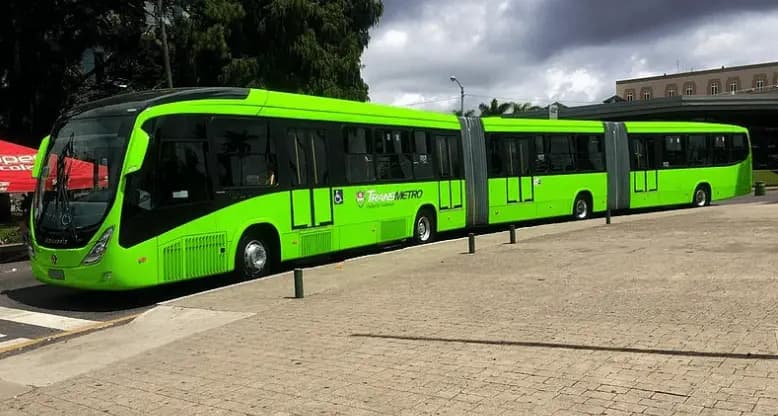
The new innovative bus will seat 132 people and will stop after 40 kilometers to recharge, allowing it to go another 40 kilometers.

By Priya Singh
Key Highlights:
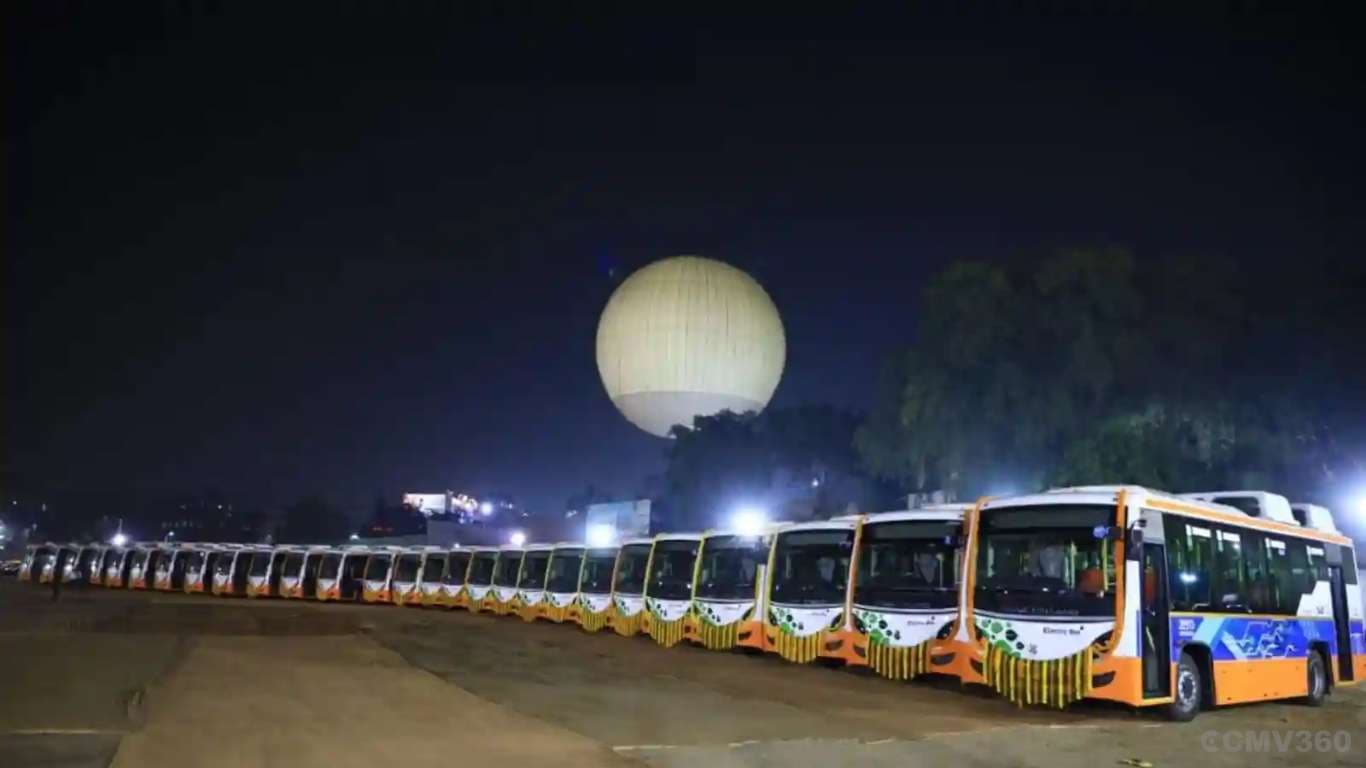
The new pilot project for tram-like electric buses is currently being tested in Nagpur and will soon be ready for large-scale production. These buses will be manufactured in partnership with Skoda and Tata. These buses in India will have 30% lower ticket prices than traditional diesel buses and will charge wirelessly in under a minute.
The new innovative bus will seat 132 people and will stop after 40 kilometers to recharge, allowing it to go another 40 kilometers. The bus will have various conveniences, including air conditioning and comfortable chairs with the ability to store a laptop. There will be a bus hostess who will provide fruits, refreshments, and beverages.
Mr Nitin Gadkari addressed the issue of pollution by emphasizing the importance of an environmentally clean, cost-effective, and regional transportation system. Indian Oil will construct 300 ethanol pumps across India to assist reduce transportation costs. Ethanol is a cheaper alternative to gasoline that also helps to minimize pollution.
Alternative means of transportation to reduce pollution
India Oil has initiated a project to produce 1 lakh gallons of ethanol from stubble and bio bitumen. The government has implemented several different initiatives that use garbage to generate electricity.
This has helped to lessen the amount of rubbish in the Ghazipur landfill. Sewage water is also being filtered for use in power generation, together with organic waste, to create bio CNG and bio LNG.
Innovative Solutions for Pollution in Urban and Hilly Areas
Drones and ropeways are also being considered as alternatives for vertical railroads to help reduce pollution in steep places such as Uttarakhand, Himachal, and Ladakh.
According to the most recent report, air pollution caused over 33,000 deaths between 2008 and 2019. Air pollution is a problem in India's main cities, affecting many people's livelihoods.
Also Read: Electric Buses Sales Report June 2024: PMI Electro Mobility Emerges as Top Choice for E-Buses
CMV360 Says
India is making great strides in cleaner transport and reducing pollution. By using new technologies and fuels like ethanol, they're improving air quality and public health.
Converting waste into biofuels and using sewage for energy also shows their commitment to sustainability. These efforts set a good example globally for fighting pollution and promoting eco-friendly transportation.


 Add CMV360 on Google