Tractors
Trucks
- Find by Budget
- Find by Type
Buses
- Find by Budget
- Find by Type

English

The new standards emphasize the safety and performance of crucial EV components, particularly the powertrain and batteries.

By Priya Singh
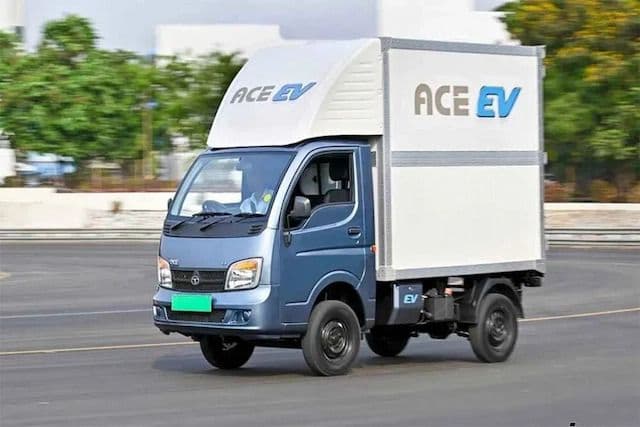
Key Highlights:
The Bureau of Indian Standards (BIS) has unveiled two new standards, IS 18590: 2024 and IS 18606: 2024, to enhance the safety of electric vehicles (EVs). These standards focus on ensuring the safety of EVs in the L, M, and N categories.
Key Highlights of New Standards
Focus on Powertrain and Battery Safety
The new standards emphasize the safety and performance of crucial EV components, particularly the powertrain and batteries. By meeting these stringent requirements, the standards aim to ensure that EVs are both powerful and secure.
Impact on Various EV Categories
Recognizing the growing popularity of e-rickshaws and e-karts, BIS has also issued IS 18294: 2023, which specifies safety norms for these vehicles. This new standard addresses a variety of issues, from construction to functionality, ensuring the safety of both drivers and passengers.
With these developments, BIS now has a total of 30 Indian Standards covering electric vehicles and their accessories, including charging systems. These broad criteria are critical in propelling the country's transportation sector toward a more sustainable, environmentally friendly, and efficient future.
Understanding Vehicle Classifications
Vehicles are classified into categories L, M, and N based on their intended use and technical characteristics. These classifications ensure that different types of vehicles meet the necessary safety and performance standards.
L Category (Two- and Three-Wheeler Vehicles)
M Category (Passenger Vehicles)
N Category (Goods Vehicles)
Impact on the EV industry
The development of these standards by the BIS is a key step toward improving the safety and quality of electric vehicles in India. These guidelines protect the reliability and security of EVs on Indian roads by establishing high safety requirements for powertrains and batteries.
This program is expected to increase consumer trust in electric vehicles, boosting their adoption across the country. Furthermore, the inclusion of standards for e-rickshaws and e-karts demonstrates BIS' commitment to an all-encompassing approach to electric mobility.
These guidelines ensure that the advantages of electric vehicles extend beyond cars and trucks to other modes of transportation, making electric mobility more accessible and safe for a wider range of people.
Also Read: Tata Motors to Increase Commercial Vehicle Prices by Up to 2% from July
CMV360 Says
The new standards from BIS are an important step for making electric vehicles (EVs) safer and more reliable in India. By focusing on key parts like the powertrain and batteries, and including safety rules for e-rickshaws and e-karts, BIS is helping to ensure a safe shift to electric mobility.
This will likely increase trust and encourage more people to use EVs, leading to a greener and more sustainable future for the country.



 Add CMV360 on Google