Tractors
Trucks
- Find by Budget
- Find by Type
Buses
- Find by Budget
- Find by Type

English

Govt to implement stricter fuel efficiency norms for commercial vehicles from 2027, covering all fuel types and LCVs.

By Robin Kumar Attri

New fuel efficiency norms proposed for 2027–2032.
Light Commercial Vehicles are included for the first time.
Targets 30% fuel consumption reduction from the new baseline.
Applies to all fuel types, including CNG, petrol, and electric.
Super Credits offered for EVs, hybrids, and clean fuel vehicles.
The Indian government has released a draft proposal to implement the second phase of fuel efficiency norms for commercial vehicles (CVs). These new norms aim to reduce fuel consumption by 30% between 2027 and 2032, compared to a fresh baseline calculated using data from the 2022–23 financial year.
For the first time, Light Commercial Vehicles (LCVs) with a gross vehicle weight (GVW) under 3,500 kg will be included in these fuel efficiency rules. Until now, only heavier diesel vehicles were covered, but the new norms will apply to all fuel types, including CNG, petrol, electric, and hybrid vehicles.
This inclusion of LCVs is expected to benefit small business owners by lowering operating costs and improving fuel efficiency, while also helping India reduce overall vehicle emissions.
The second phase of norms will apply to the following vehicle categories:
M2 & M3: Passenger carriers with more than 8 seats.
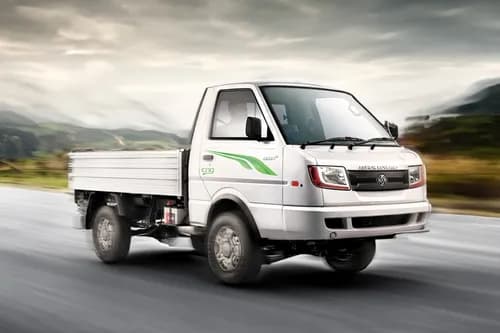
N1: Goods vehicles under 3.5 tonnes.
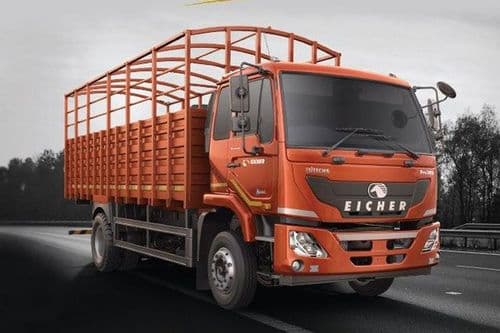
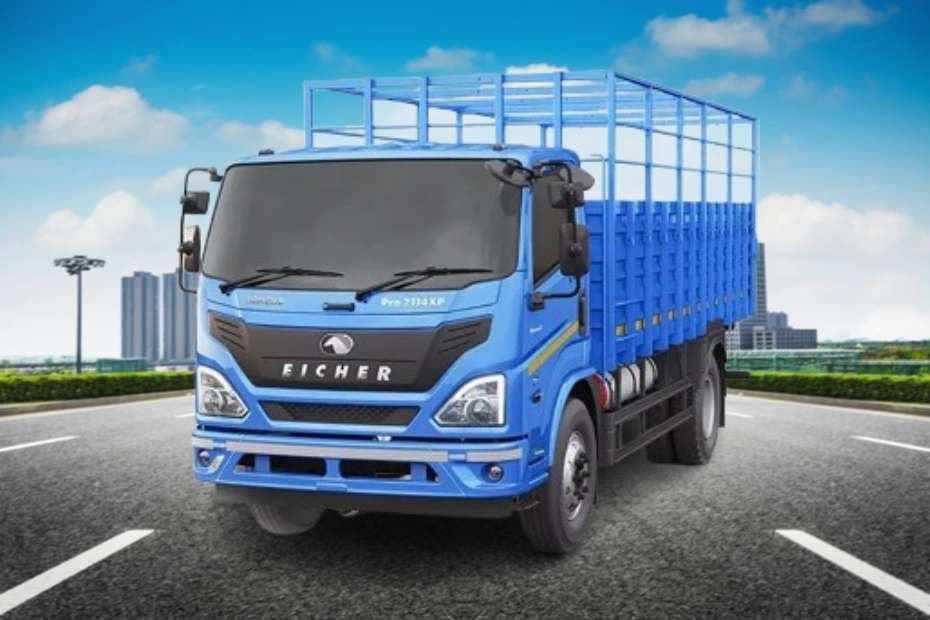
N2: Goods vehicles between 3.5 to 12 tonnes.
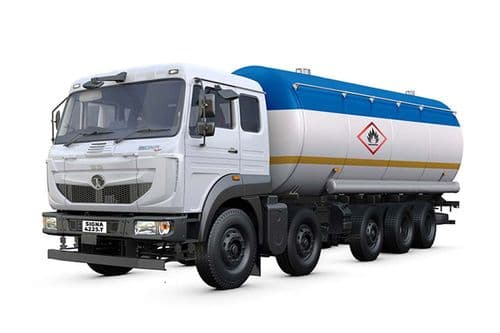
N3: Goods vehicles above 12 tonnes.
Earlier, Constant Speed Fuel Efficiency (CSFC) norms were introduced in 2017 for M3 and N3 vehicles, and expanded in 2019 to include M2 and N2 vehicles. Passenger cars (M1) already follow Corporate Average Fuel Economy (CAFE) standards.
The draft proposes that N1 vehicles must reduce fuel consumption by 22% from the new baseline. This will be tested using the Modified Indian Driving Cycle (MIDC) method. The Bureau of Energy Efficiency (BEE) also noted a 16% difference between MIDC and global test methods like WLTP, aiming to bring Indian standards closer to international norms.
To encourage the use of cleaner technology, the government plans to offer Super Credits for vehicles like:
Battery Electric Vehicles (BEVs)
Fuel Cell Vehicles (FCVs)
Plug-in Hybrids (PHEVs)
Range Extender EVs
Strong Hybrids
These vehicles will receive extra credit for reducing fuel use and emissions, helping manufacturers balance their fleet-wide fuel efficiency scores.
Fuel consumption will be tested at standard speeds of 40 km/h and 60 km/h. The draft also proposes a fleet-wide compliance system, meaning manufacturers must ensure their entire vehicle range meets the efficiency targets, not just individual models.
The system focuses on fuel consumption per unit of payload, encouraging companies to develop more fuel-efficient vehicles across all segments.
The government rolled out Phase 2 CAFE norms for passenger cars in April 2022. However, for LMCVs and HDVs, only the first phase has been in place. This new proposal marks a major update, as it extends second-phase norms to all key commercial vehicle segments, including M2, M3, N1, N2, and N3.
With this move, India aims to enhance fuel efficiency, support cleaner vehicle technologies, and reduce emissions in the commercial transport sector, paving the way for a more sustainable future.
Also Read: Eicher Launches Pro Plus Series to Boost Light and Medium Truck Market
The proposed second phase of fuel efficiency norms marks a major step in India’s push for cleaner, more efficient commercial transport. By covering all fuel types and including light commercial vehicles, the rules aim to lower emissions and reduce fuel costs. These measures will benefit small businesses, promote advanced vehicle technologies, and support India’s long-term environmental and energy efficiency goals.


 Add CMV360 on Google