Tractors
Trucks
- Find by Budget
- Find by Type
Buses
- Find by Budget
- Find by Type

English

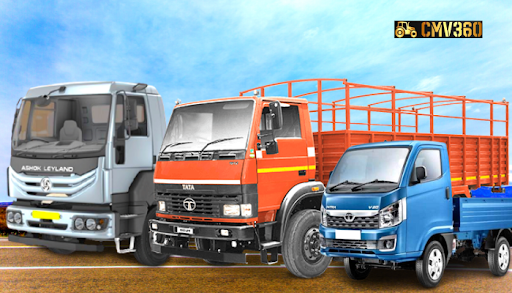
September 2022 was a great month for commercial vehicle manufacturers. Tata Motors, Ashok Leyland, M&M and Eicher Motors noticed significant growth in their sales because of the festive season
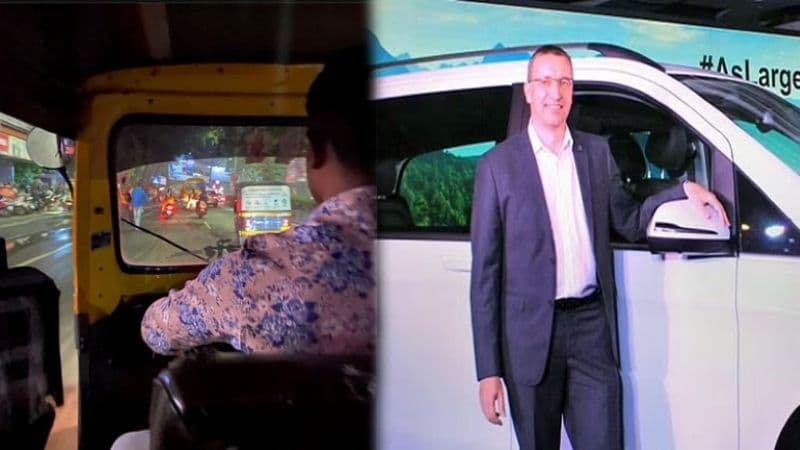
One of the most challenging issues that people in metropolitan cities face is traffic. During rush hour, it is not uncommon to complete a route that normally takes 15 minutes in an hour.
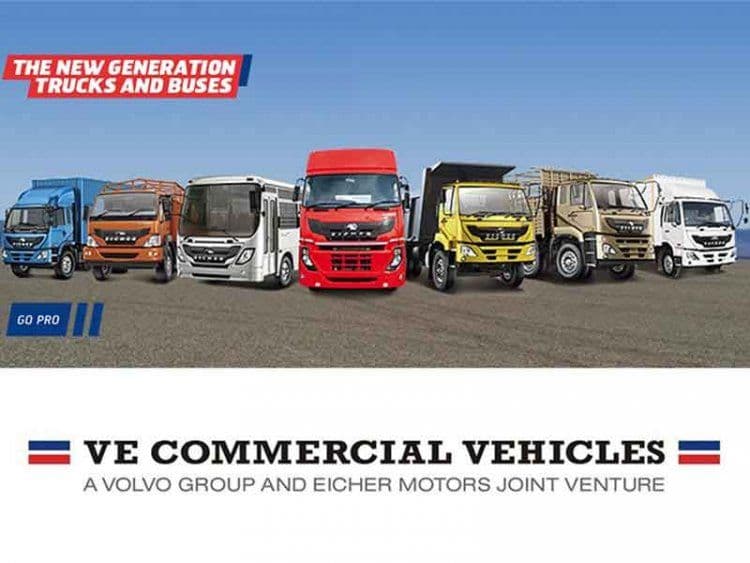
Eicher trucks and buses sold 6498 units in September 2022, up from 6014 units in September 2021, representing an 8.0% increase.
M&M's Farm Equipment Sector (FES) also revealed its tractor sales figures for September 2022. Total tractor sales (domestic + exports) increased 21% year on year to 48,713 units in September 2022, up from 40,331 units in September 2021.
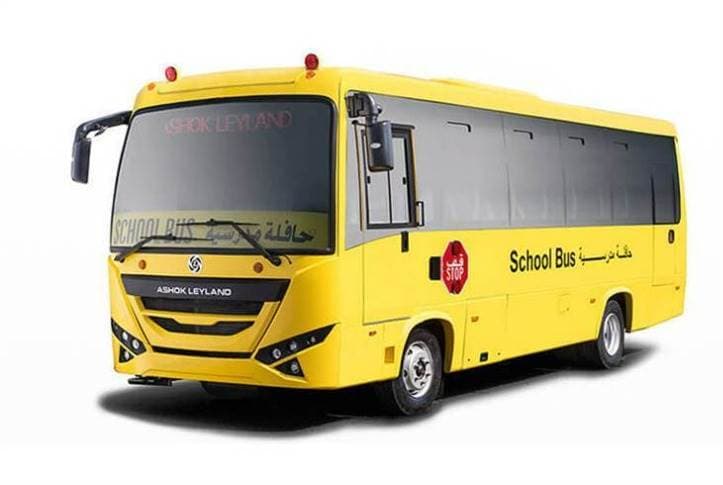
On the BSE, Ashok Leyland shares fell 0.16% to Rs 152.40.
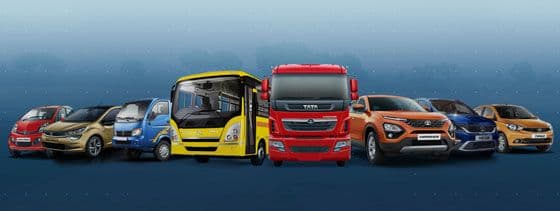
Domestic MH&ICV sales in Q2 FY23, including trucks and buses, were 38,143 units, up from 29,401 units in Q2 FY22.
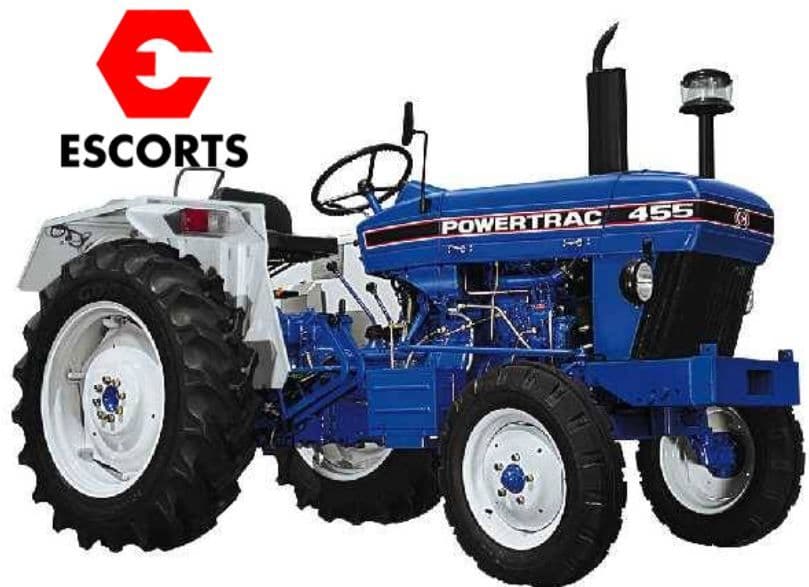
In September 2022, the company exported 848 tractors, slightly higher compared to 841 in September 2021.
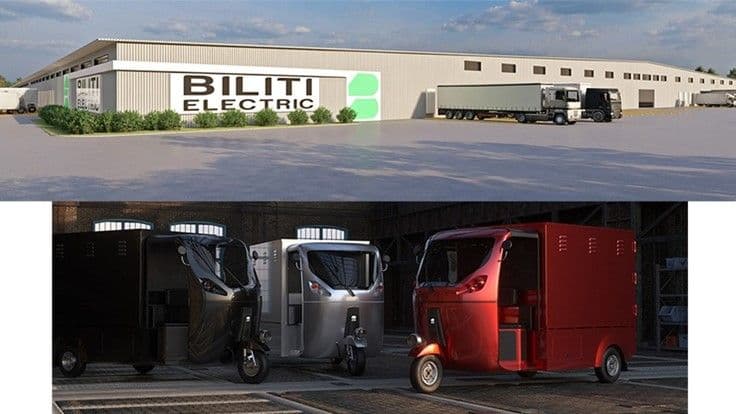
The Taskman variant is designed for business last-mile deliveries, with a range of 100 km per cost, a payload of 500 kg, and a speed of 50 kilometres per hour.
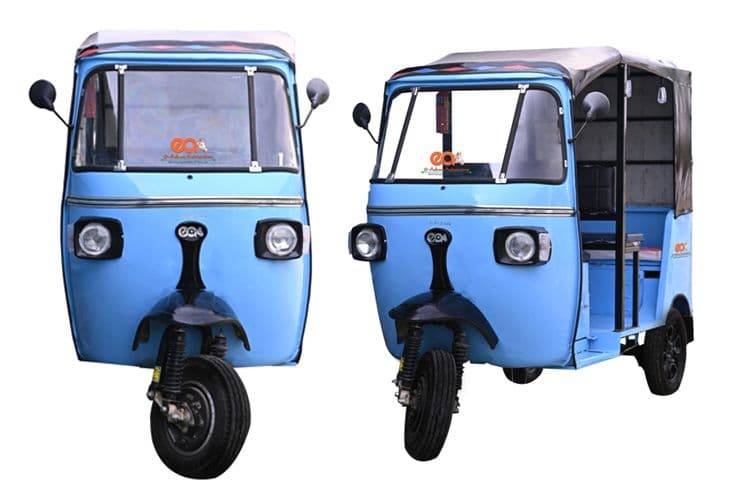
e-Ashwa has been selling EV vehicles for the last four years and has so far established 26 Assembly units in various parts of the country with 750+ team members from technical and support function backgrounds, including dedicated Research and Development
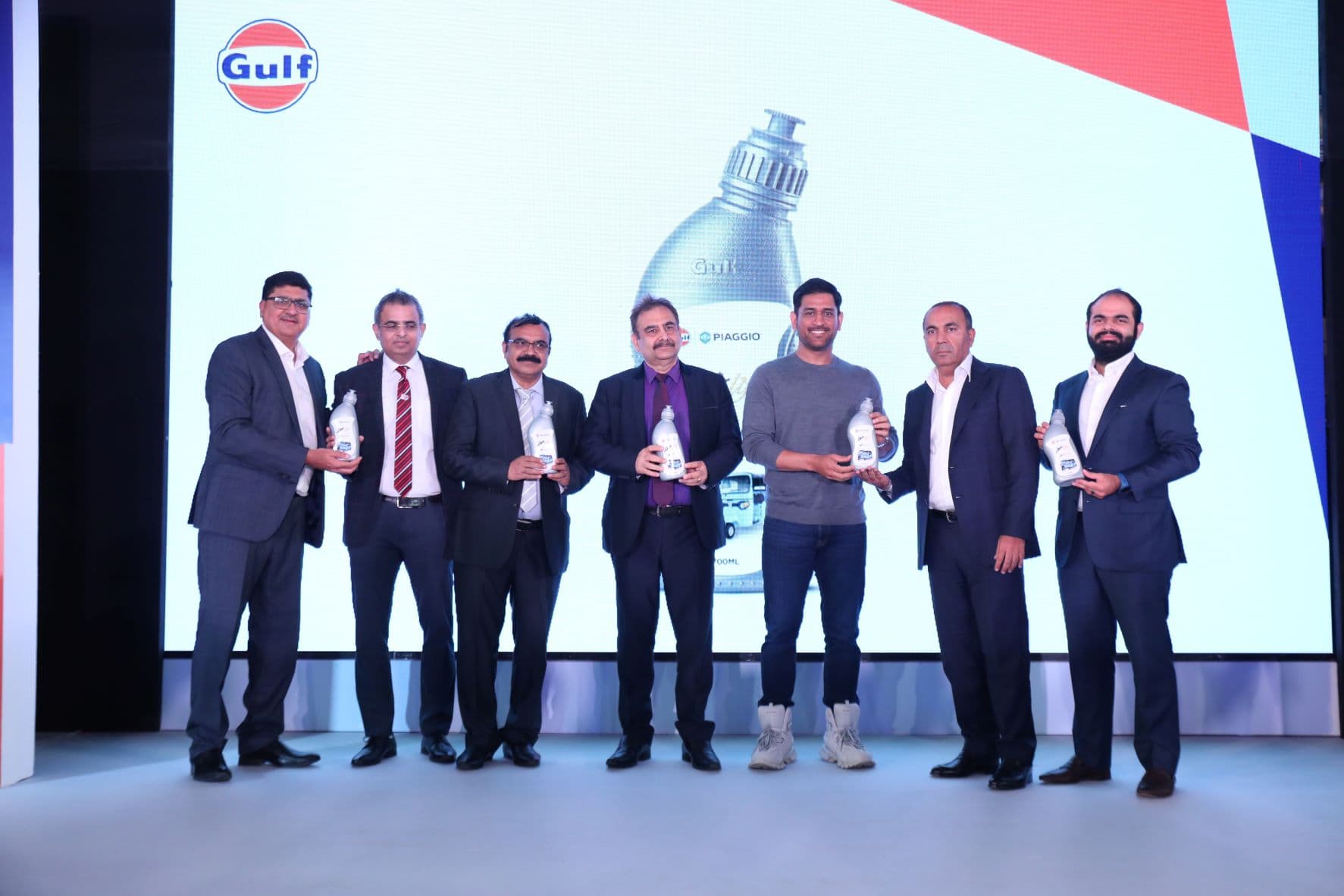
Gulf Oil Lubricants India has announced an exclusive agreement for their lines of electric vehicle (EV) fluids with Piaggio Vehicles and Switch Mobility.
The MaPro Xpress initiative has so far covered several key areas in the industrial belt, including Rajasthan, Gujarat, Maharashtra, and Chhattisgarh.

As part of this collaboration, Sun Mobility and AI Logistix intend to deploy 500 loaders and electric two-wheelers by March 2023, with approximately 100 vehicles added to the fleet each month.

The Prime Minister emphasized the introduction of electric vehicles in the city and stated that Surat will soon be known for electric vehicles.
The collaboration aims to meet the increasing demand for last-mile delivery while also creating a sustainable logistics ecosystem.
There has been a significant increase in demand for electric vehicles in recent years, and confidence is developing within the business community to now engage in the establishment of an EV ecosystem.