New Buses
- Find by Budget
- Find by Type
- Popular Comparisons
News & Reviews

English


India targets over 1,000 hydrogen-powered trucks and buses by 2030, promoting clean transport with support from top automakers and government initiatives.

In this news, we will analyze the brand-wise sales trend of Electric buses in India in May 2025 based on the Vahan Dashboard data.

Ashok Leyland has received a ₹183.80 crore order from the Tamil Nadu State Transport Corporation for 543 BSVI diesel buses. The buses will be delivered between June and December 2025.

Olectra Greentech holds only 1% share in the special company (SPV) formed for the bus project, while the remaining 99% is owned by EVEY Trans Pvt Ltd.
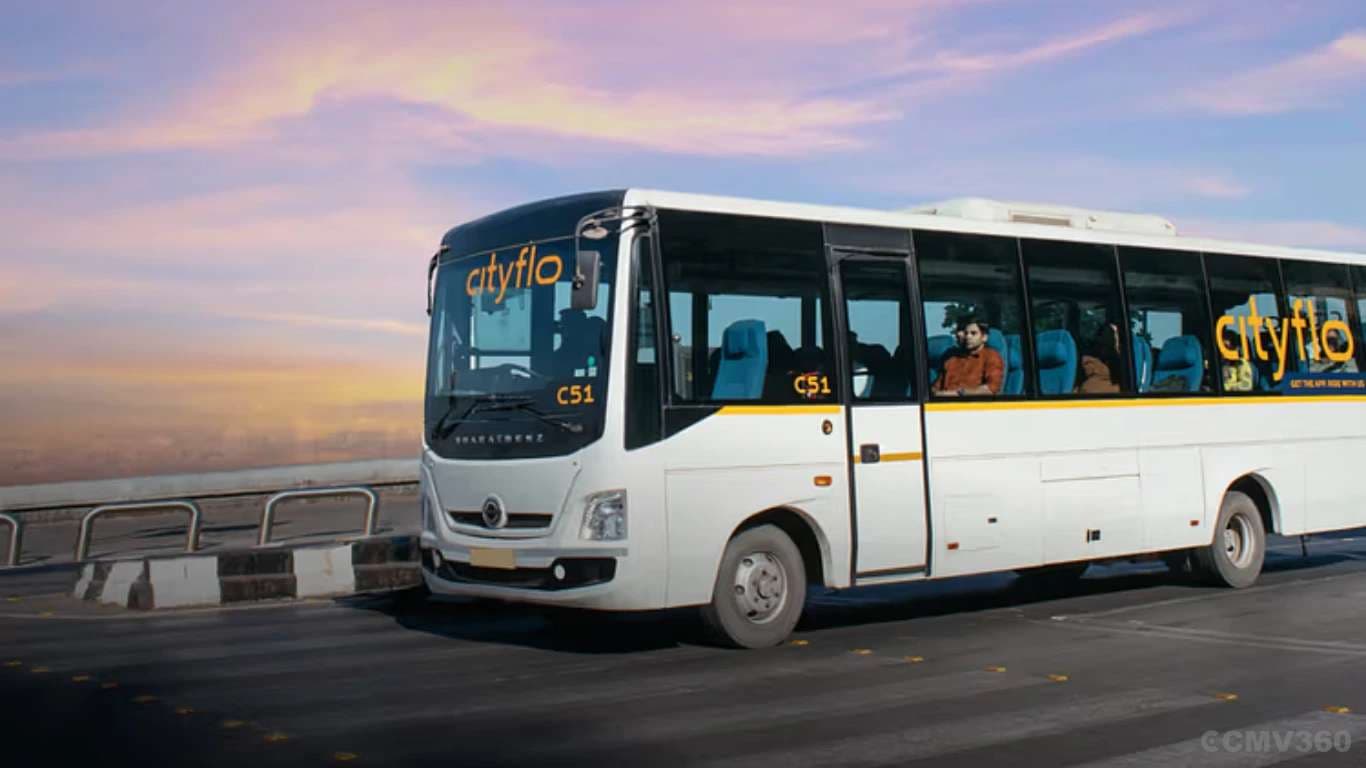
Cityflo has built this advanced safety system in collaboration with Cautio, a startup focused on safety technology. It has already been installed in most Cityflo buses and LUXE cabs, and the company plans to complete the rollout in the next month.

The PM E-Drive scheme plans to deploy 14,028 electric buses with a total budget of ₹10,900 crore between April 2024 and March 2026.

EKA Mobility got a certificate from ARAI for its electric bus, making it eligible for government support under the PLI scheme.

Karnataka has requested more electric buses under the PM E-Drive scheme. The central government has assured full support to improve public transport in key cities.
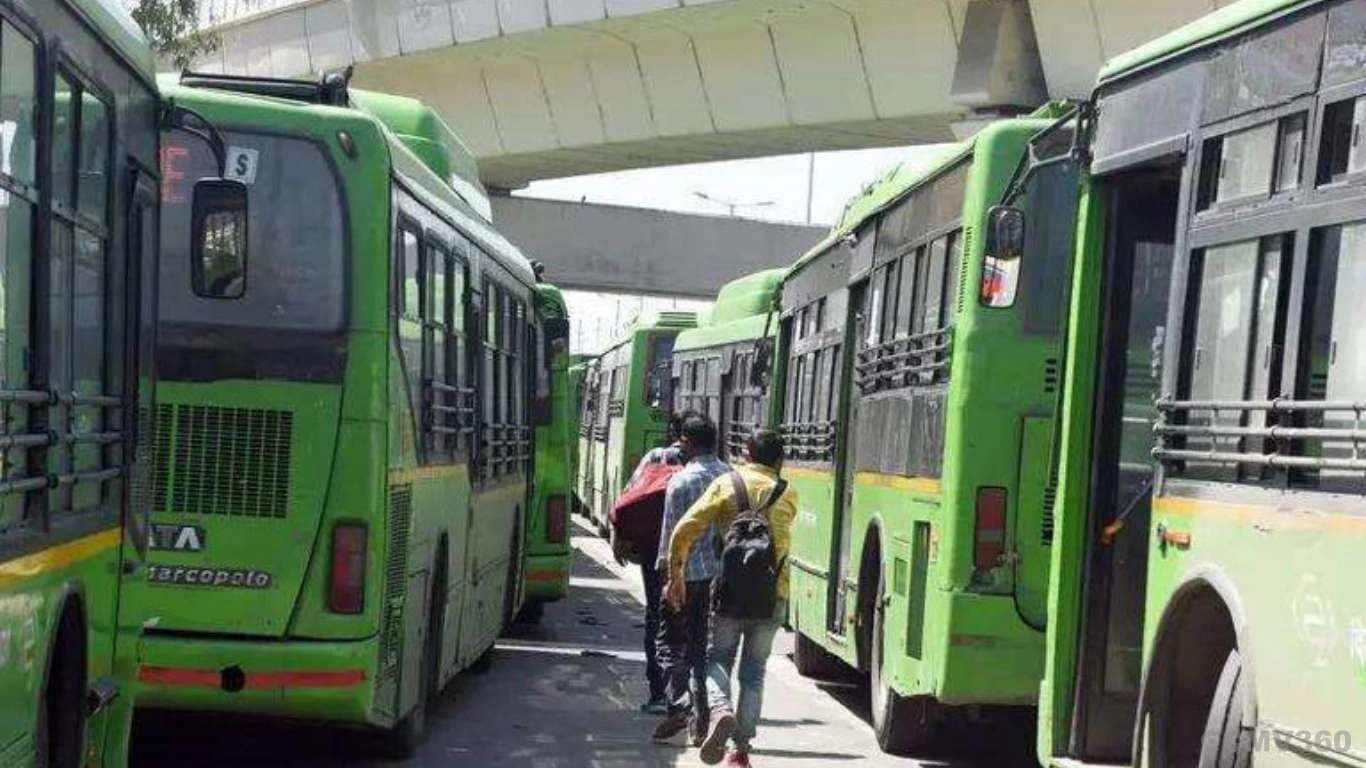
The Delhi government upgrades public transport with UPI payments, electric buses, modern depots, and a new pollution testing center for smoother and cleaner travel.

The buses will operate in 6 cities in Madhya Pradesh and 11 cities in Andhra Pradesh. GreenCell is working with VE Commercial Vehicles (VECV) for its project in Madhya Pradesh and with Pinnacle Mobility Solutions (EKA Mobility) in Andhra Pradesh.
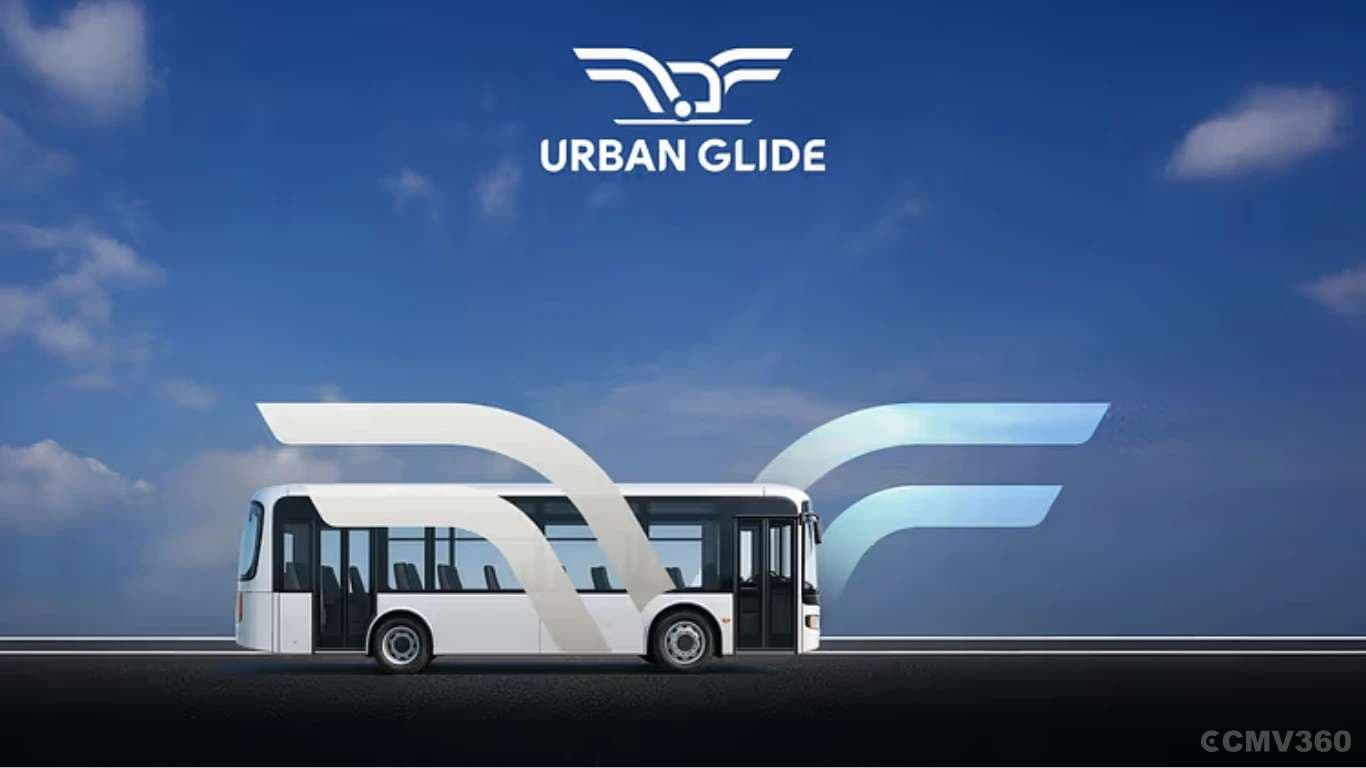
Under the GCC model, private companies like Urban Glide handle the day-to-day running of buses, while the government decides routes and ticket prices.

JBM Auto received an order for 1,021 electric buses under the PM e-Bus Seva Scheme-2. The order is valued at around ₹5,500 crore.
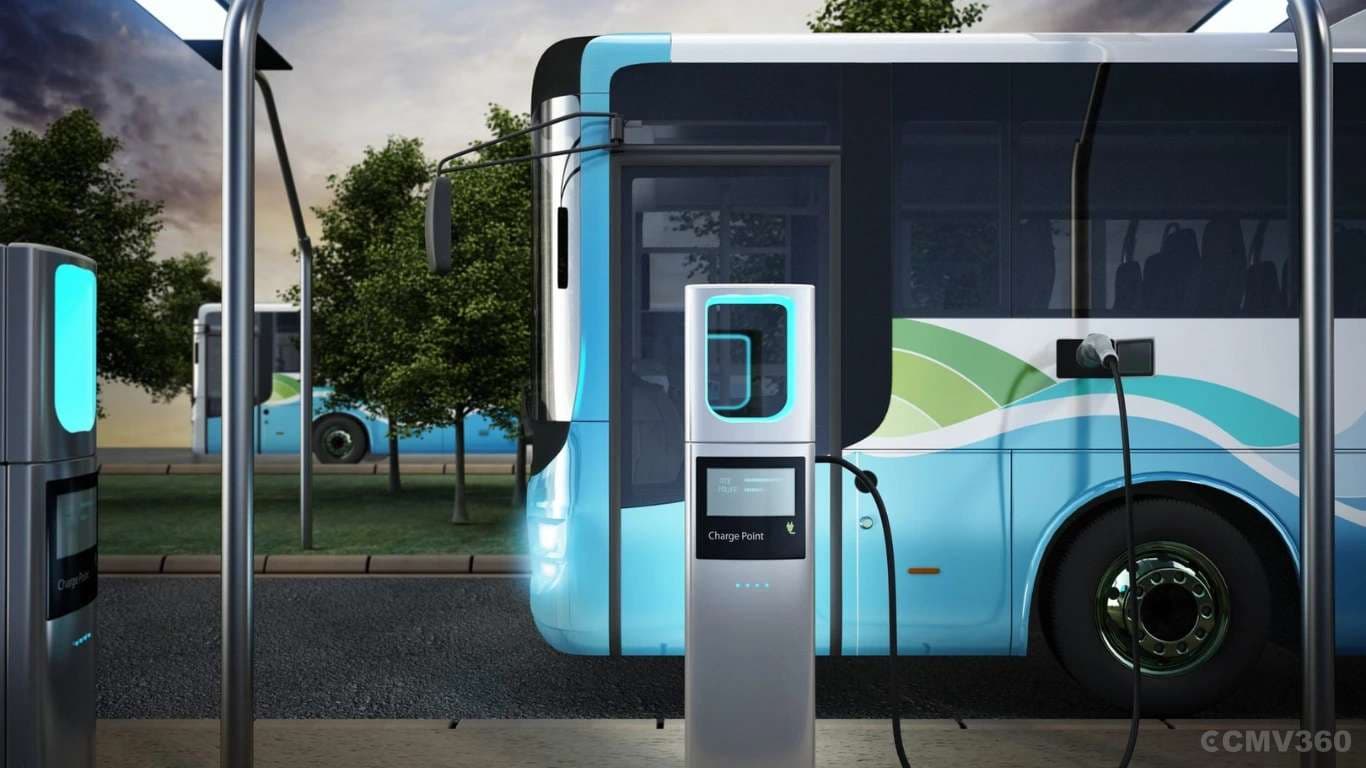
In this news, we will analyse the brand-wise sales trend of Electric buses in India in April 2025 based on the Vahan Dashboard data.

Each DEVi bus includes 23 seats. Out of these, six seats are reserved for women. Women passengers can travel free, while the regular fare is between ₹10 and ₹25.
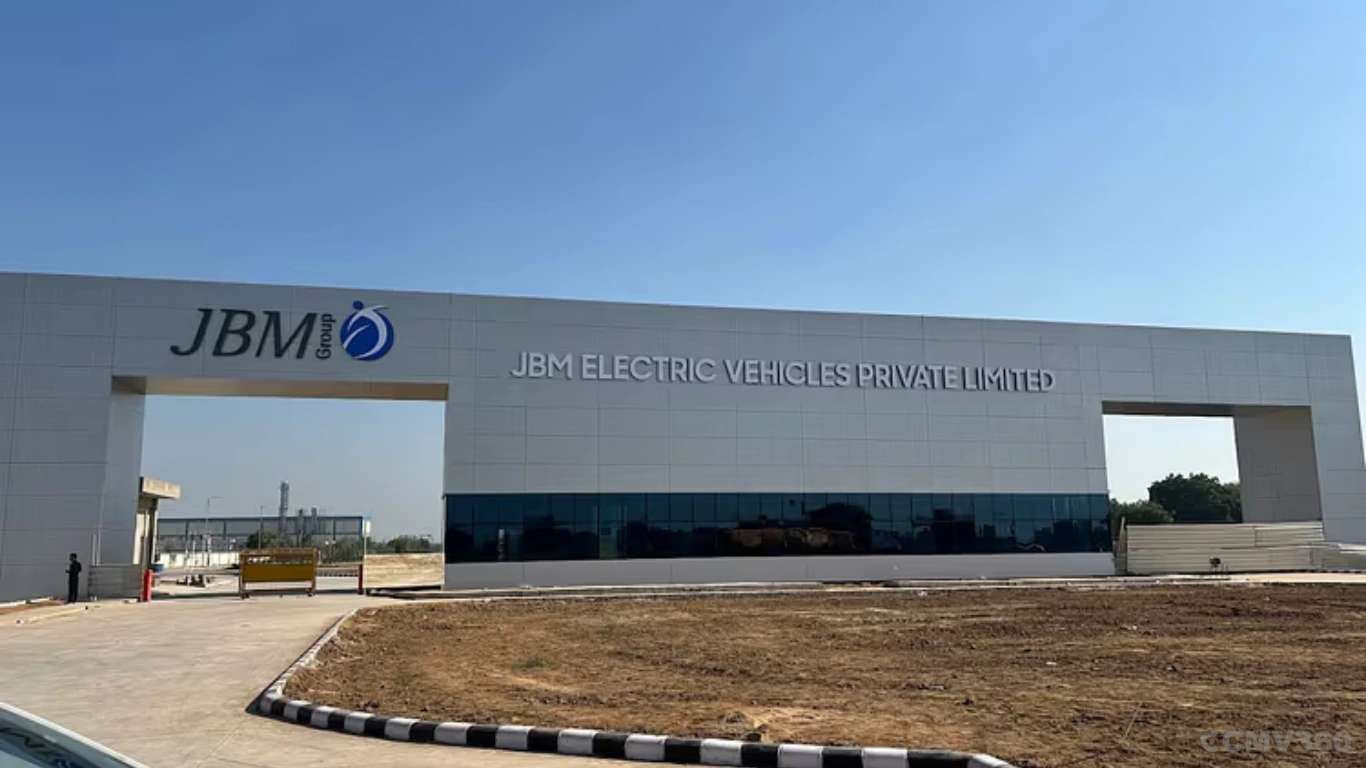
The BatteryManager system will be installed in JBM’s electric buses to monitor battery data in real time. The new technology is designed to work effectively in different weather conditions across India and the Middle East.




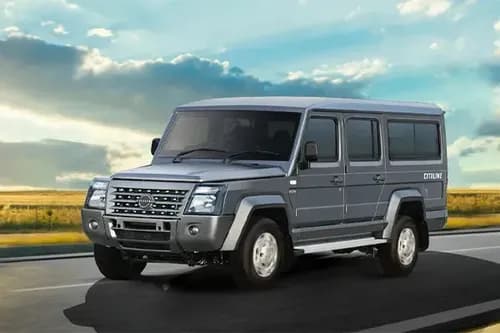
Force Citiline
₹ 15.94 Lakh *