Tractors
Trucks
- Find by Budget
- Find by Type
Buses
- Find by Budget
- Find by Type

English

As of now, two meetings regarding this initiative have been conducted and the main focus of the talks was aimed at lowering per unit costs of EVs and distributing the vehicles to existing transporters, as per an official.

By Jasvir
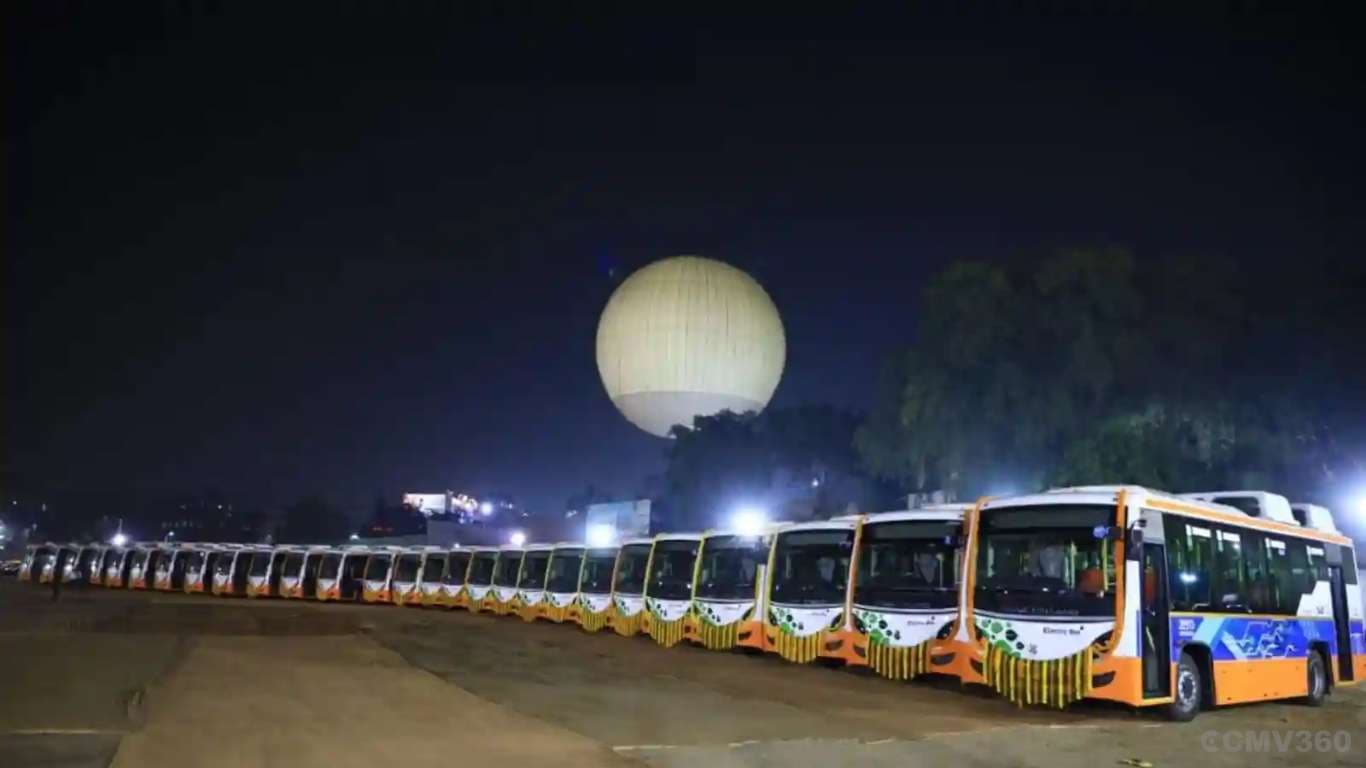
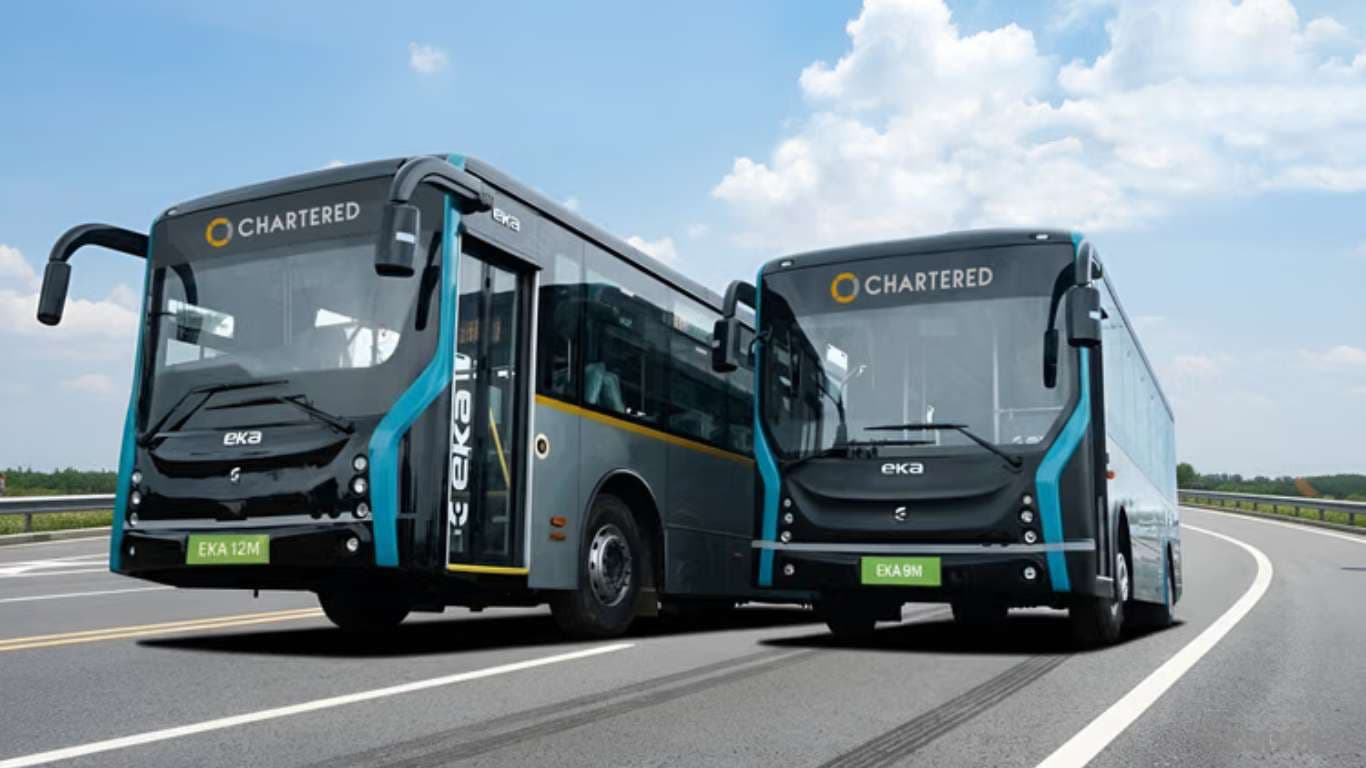
Indian government plans to replace 8 lakh diesel buses with electric ones in the next seven years. The buses will be provided in the public, private and school sectors in India.

The Indian government is planning to replace 8,00,000 diesel buses with electric ones by the end of 2030. These buses make up a total of over one third of all the buses operating in India. Over the next seven years, the government aims to reduce CO2 emissions and develop the EV ecosystem in the country.
As of now, two meetings regarding this initiative have been conducted and the main focus of the talks was aimed at lowering per unit costs of EVs and distributing the vehicles to existing transporters, as per an official.
Scope and Aim of the Initiative
With this plan, the government will deploy 2 lakh electric buses for state transport undertakings (STUs), 5.5 lakh buses for private operators and 50,000 buses for school and employee transportation, as per the officials.
It is estimated that a capital of Rs 1.2-1.5 lakh crores is required to deploy 1 lakh electric buses at the current prices. The complete details of this plan are expected to be released sometime in the next financial year.
This plan will not only positively affect the environment but also establish India as the global manufacturing hub for electric vehicles. The plan is likely to replace the existing Faster Adoption and Manufacturing of (Hybrid &) Electric Vehicles (FAME) scheme.
Also Read- Vehicle financing to reach Rs 8 lakh crore in next fiscal: CRISIL predicts steady growth
Growth of the EV Sector in India
The FAME scheme was introduced in 2015 and in 2019 the 10,000 crore funding was received for the FAME-II programme, which will end in the upcoming year by the end of March.
FAME I & II has achieved significant success in building and developing India’s EV sector. The FAME-III may include production linked incentives (PLI) with the EV sector getting the priority.
The government has already introduced plans to deploy 50,000 electric buses over the next five years under the National Electric Bus Programme (NEBP). Under this plan, the US government will contribute $150 million and philanthropic groups will invest $240 million via a payment security mechanism (PSM).



 Add CMV360 on Google