Tractors
Trucks
- Find by Budget
- Find by Type
Buses
- Find by Budget
- Find by Type

English

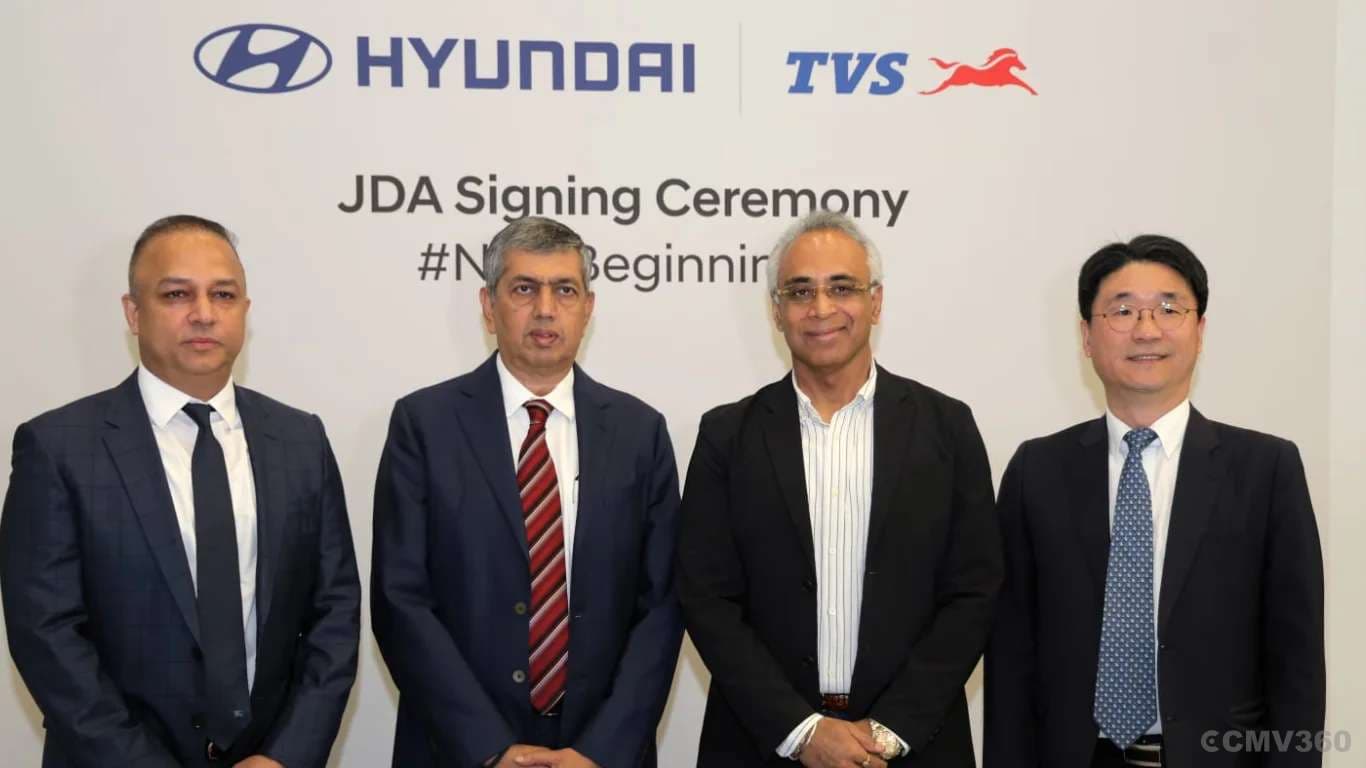
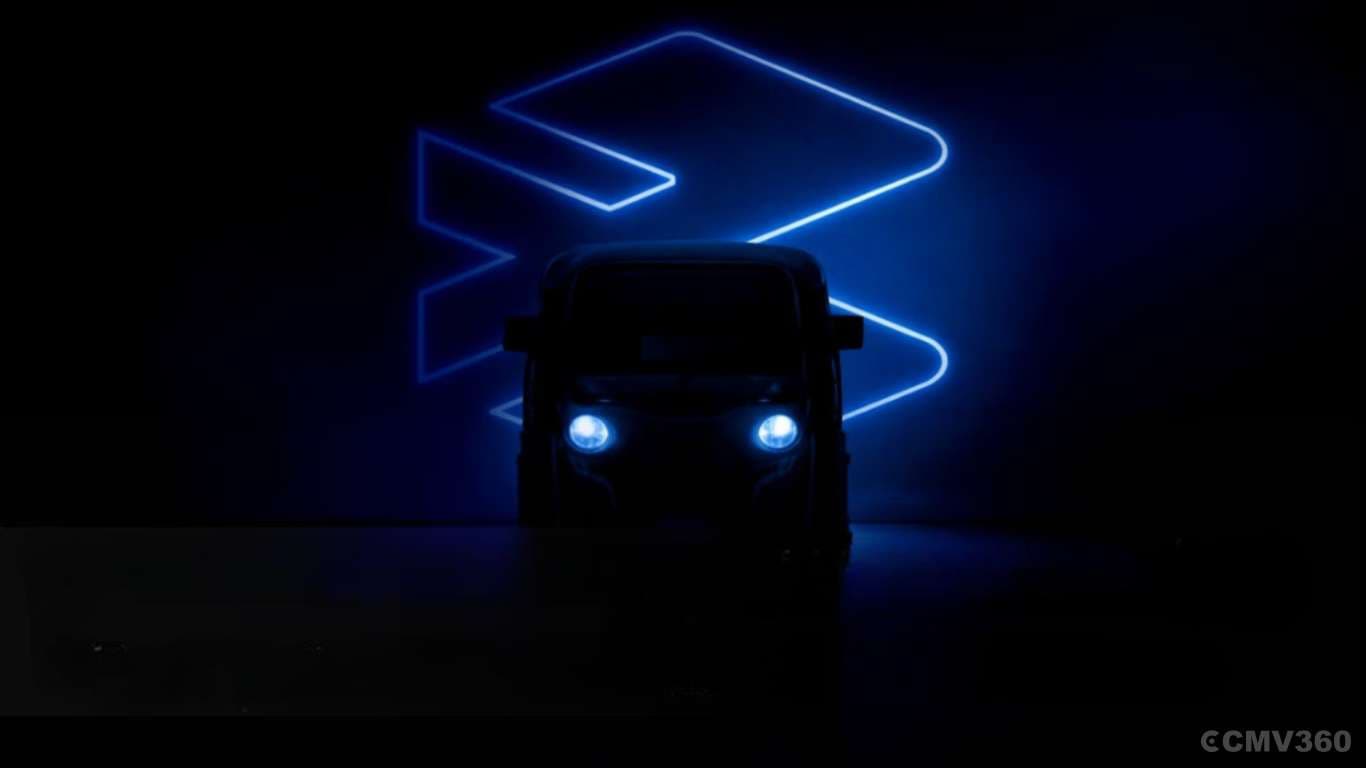
Hyundai Motor Company and TVS Motor Company have signed a Joint Development Agreement to co-develop electric three-wheelers for India, focusing on local manufacturing, advanced features, and expansion into global markets.

By Suraj
Hyundai Motor Company and TVS Motor Company have signed a Joint Development Agreement (JDA) to develop and launch electric three-wheelers for the Indian market. This partnership aims to improve last-mile transport and support cleaner mobility solutions for Indian customers. India is the world’s largest three-wheeler market, making it a key focus for both companies.
The agreement marks a significant step for Hyundai and TVS in the electric vehicle segment. Both companies showcased their electric three-wheeler concept earlier, which received a strong response. Now, they are moving ahead with full product development. The partnership will also help them expand into other markets in the future.
Hyundai will contribute advanced technology, research capabilities, and customer-focused design. TVS Motor will bring its electric three-wheeler platform, engineering expertise, and deep understanding of Indian customer needs. Together, they aim to create a product that offers comfort, safety, and improved performance for daily use.
Three-wheelers play a vital role in India’s transport system. They are used for daily travel, goods delivery, and business activities. Demand for cleaner and more efficient three-wheelers continues to rise as people seek better mobility solutions. The new electric vehicle will address daily transport challenges and support eco-friendly mobility, helping to reduce pollution.
Indian roads often present challenges such as heavy traffic, rough surfaces, and waterlogging during the monsoon season. Both companies plan to design a vehicle that can handle these conditions with ease. Hyundai will lead the design process and provide engineering support, using its modern mobility technology and human-focused design approach.
TVS Motor will co-develop the product and lead sales and manufacturing operations in India. The company will also support exports in the future, helping to expand the product into international markets. Both companies plan to source and produce major components locally, which will strengthen the automotive supply chain, create jobs, and reduce vehicle costs.
Local manufacturing will allow for faster service support and easy spare parts availability. It will also help meet market demand quickly while maintaining product quality. The new electric three-wheeler will include features such as adaptive ground clearance for rough roads, advanced safety systems, ergonomic seating for comfort, and thermal management for hot weather. The flexible interior design will support passenger travel, goods delivery, and emergency services.
The agreement moves the project from concept to actual product development. Both companies will begin testing, refining, and preparing the vehicle for market launch. They will also complete certification and approval processes to meet Indian regulations. Dedicated teams from Hyundai and TVS will work together to speed up development.
As demand for electric mobility grows in India, this partnership aims to deliver a safe, affordable, and sustainable solution for last-mile transport. The collaboration highlights how global and local companies can work together to create better transport options for the future.




 Add CMV360 on Google