Tractors
Trucks
- Find by Budget
- Find by Type
Buses
- Find by Budget
- Find by Type

English

The project aims to raise awareness about alternative income creation opportunities in agriculture and infrastructure through training programs.

By Priya Singh

Key Highlights:
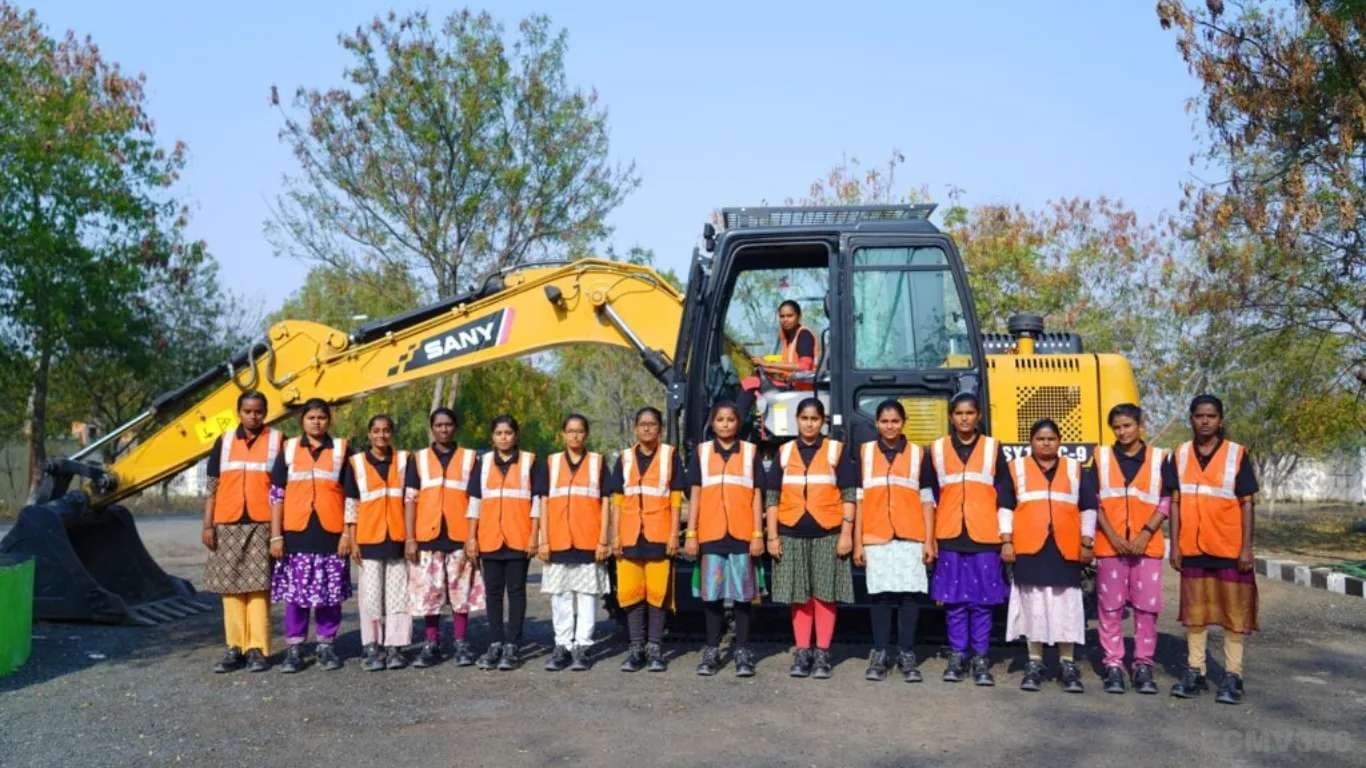
CASE Construction Equipment, a CNH brand, has launched the second phase of its LEAD (Livelihoods and Entrepreneurship Awareness Development) project throughout Indian cities to encourage rural entrepreneurship and economic development.
Focus Areas of LEAD 2.0
The LEAD 2.0 initiative, begun in Faridabad, expands on the success of the first phase by targeting youngsters in an additional 1500 villages across Uttar Pradesh, Rajasthan, Haryana, Odisha, Bhubaneswar, and Jharkhand.
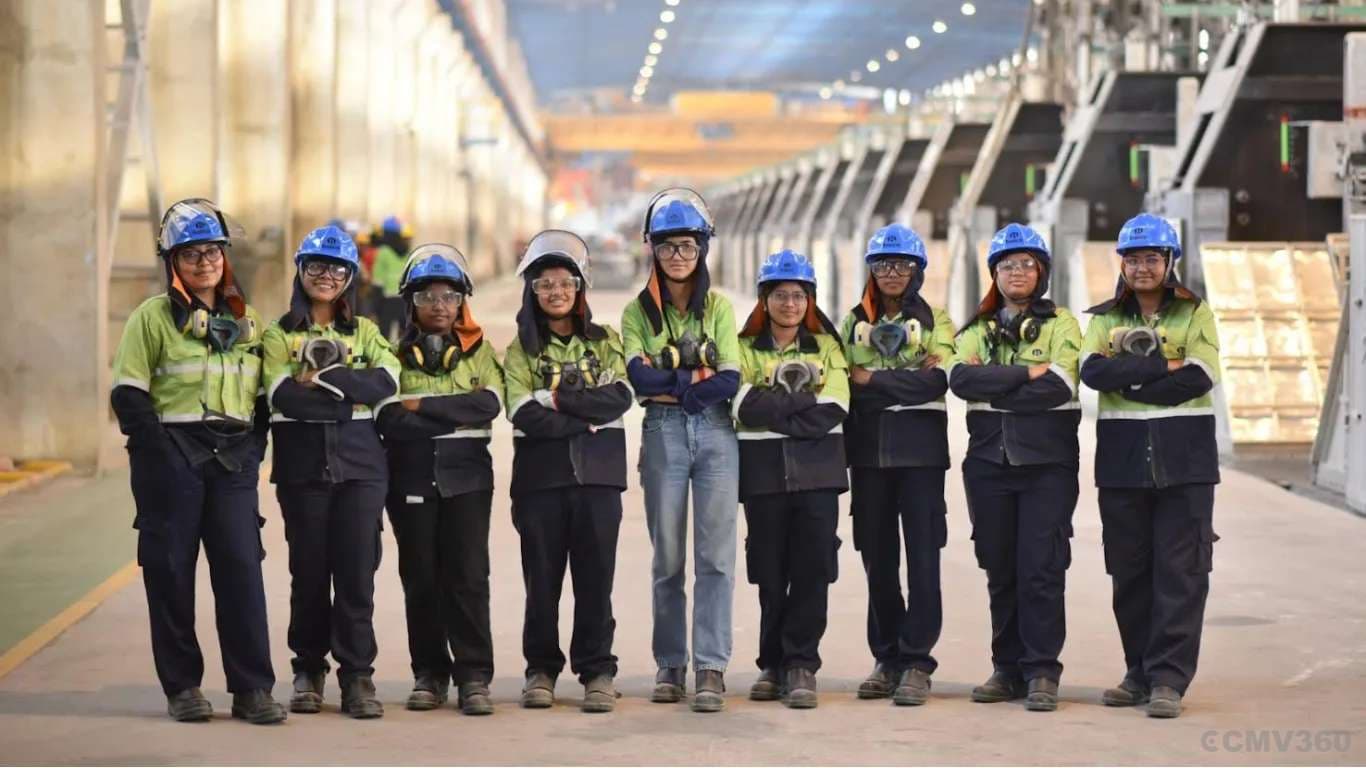
The second edition seeks to educate young talent on main sectors for rural development, including modern farming techniques and sustainable practices in agriculture, rural industries such as poultry, dairy, beekeeping, and fisheries, and rural infrastructure, with a focus on road construction and irrigation.
Speaking about the project, Shalabh Chaturvedi, Managing Director, CASE Construction Equipment - India and SAARC, said, "In line with India's vision of 'Aatmanirbhar Bharat', CASE has taken a significant step in enhancing the skills of rural youth by connecting them with opportunities and raising awareness. This effort not only teaches people in rural areas, but it also helps to strengthen the local economy. Our goal with LEAD 2.0 is to combat unemployment by closing the skill gap in relevant sectors with a high demand for skilled workers."
The initiative's goal is to reduce urban migration while also encouraging reverse migration by providing business skills to rural youngsters.
Emre Karazli, Vice President Construction Segment, APAC and AME, announced the LEAD 2.0 program, saying, "At CASE, we encourage inclusive growth and acknowledge the critical role that rural entrepreneurship plays in driving holistic economic development. With LEAD 2.0, we reaffirm our commitment to providing the resources and opportunities that rural youth require to engage in the expanding economy."
The project aims to raise awareness about alternative income creation opportunities in agriculture and infrastructure through training programs delivered via a mobile training center van.
Impact of LEAD 1.0
The initial phase, LEAD 1.0, had a substantial impact in five states and one union territory, comprising 38 districts and reaching 3,113 villages. With an audience of 61,981, the initiative saw 36,381 people actively participate in presentations.
This widespread engagement demonstrates the project's success in empowering rural communities and emphasizes the importance of sustaining and expanding the effort.
About CASE Construction
CASE provides a complete range of construction equipment throughout the country and is a market leader in the Vibratory Compactor area. The company's cutting-edge manufacturing facility in Pithampur, Madhya Pradesh, manufactures Made-in-India items for domestic consumption and export to over 100 markets globally.
Also Read: CASE India Launches Skid Steer Loader for India Market
CMV360 Says
The LEAD 2.0 initiative by CASE Construction Equipment is commendable for empowering rural youth and promoting sustainable economic development in India. It provides essential training and resources that have the potential to significantly reduce urban migration and create numerous opportunities for rural communities.
The success of LEAD 1.0 indicates a promising future for this initiative, and it will be interesting to see how LEAD 2.0 further contributes to the nation's growth and self-reliance.


 Add CMV360 on Google