Tractors
Trucks
- Find by Budget
- Find by Type
Buses
- Find by Budget
- Find by Type

English
 New Delhi
Winter pest control in cherry orchards demands a proactive approach. In this article, we have discussed how to Control pests in Cherry Orchards in winter.

By Priya Singh
Cherry orchards are beautiful places where cherry trees grow. There are two main types of cherries – sweet and sour.
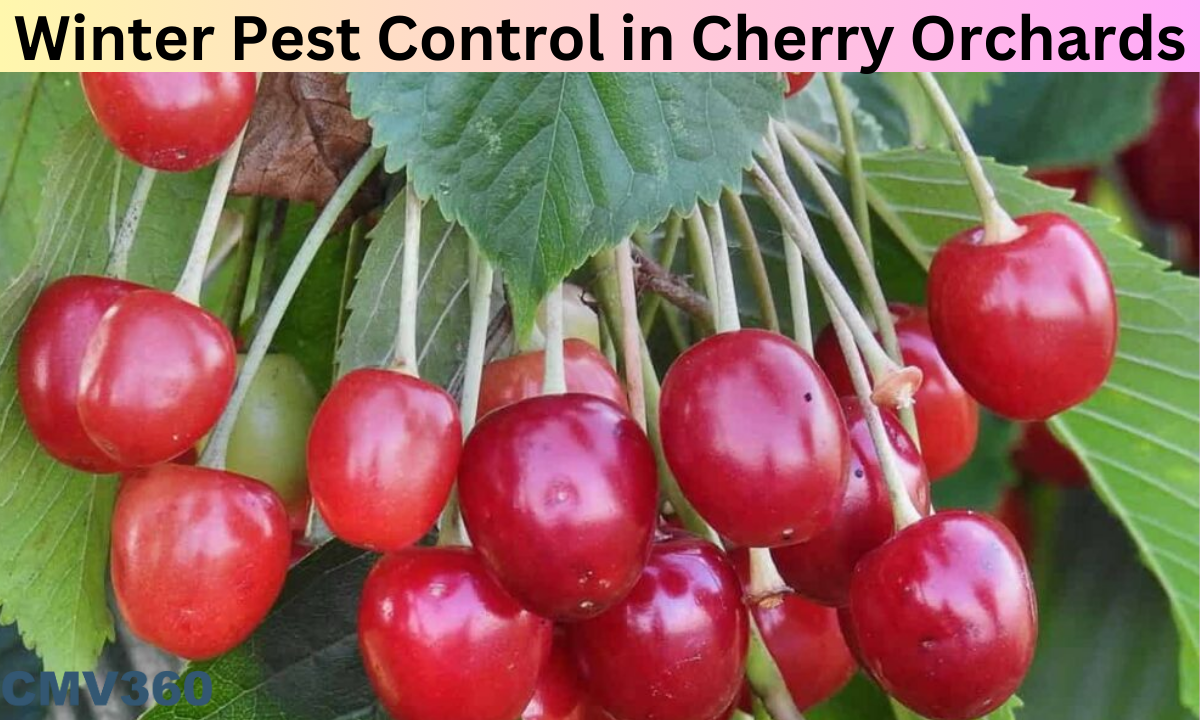
Cherries, with their sweet and sour flavours, have found a niche in Indian agriculture. Cherry farming in India typically takes place in regions with a temperate climate, such as Jammu and Kashmir and Himachal Pradesh.
The cool winters and moderate summers in these areas create an ideal environment for cherry cultivation. Harvesting occurs in late spring to early summer when the cherries ripen. Despite the challenges of weather fluctuations and potential pests, cherry farming in India continues to flourish, adding colour and flavour to the agricultural sector.
Cherry orchards are beautiful places where cherry trees grow. There are two main types of cherries – sweet and sour. The trees bloom in spring with pretty flowers, and cherries are ready to be picked in late spring to early summer.
Cherry orchards face specific pest challenges during winter. Common pests include dormant insects and rodents seeking shelter and food. Rodents like mice and rats can bite on bark and eat buds, causing a threat to the trees.
To address these issues, orchard managers/owners implement winter pest control techniques such as pruning to remove hiding places, using pesticides customized for colder temperatures, and employing biological controls like beneficial insects. In this article, we have discussed how to Control pests in Cherry Orchards in winter.
Winter pests in cherry orchards can include dormant insects, rodents, and other wildlife seeking shelter and food during the cold months. Common pests might include mites, aphids, rodents like mice and rats, and certain species of beetles. Understanding the life cycles and behaviours of these pests is crucial for effective control measures.
Also Read: Potato Farming in India: Role of Potatoes in Indian Agriculture
Winter is a crucial time for cherry orchards as it is the time when pests and diseases can cause significant damage to the trees. Integrated Pest Management (IPM) practices should be employed, combining biological, cultural, and chemical control methods for a comprehensive approach.
The following are some tips for winter pest control in cherry orchards:
Prune the trees
Winter is an ideal time for pruning cherry trees, not only for shaping and reviving the orchard but also for pest control. Pruning the trees during winter can help remove any dead or diseased branches that may bear pests or diseases.
It also helps improve air circulation and sunlight penetration, which can reduce the risk of fungal diseases. Removing dead or diseased wood eliminates hiding places for pests. Regular orchard hygiene, such as clearing debris and fallen fruit, is crucial to disrupting the habitat and breeding grounds of potential pests.
Apply dormant oil
Applying dormant oil during winter can help control pests such as scale insects, mites, and aphids. Dormant oil is a type of horticultural oil that is applied to the trees during the dormant season to smother overwintering pests.
Control wood-boring insects
Wood-boring insects such as borers can cause significant damage to cherry trees. Controlling these insects during winter can help prevent them from laying eggs in the trees.
Remove and destroy diseased plant material
Removing and destroying any diseased plant material such as leaves and fruit can help prevent the spread of diseases.
Biological Controls
Introducing natural predators or parasites of pests can be an effective method for winter pest control. For example, certain beneficial insects and predatory mites can help keep populations of harmful insects in check. This approach aligns with sustainable and environmentally friendly practices.
Biological control involves using natural enemies of pests to control their populations. This method can be used in conjunction with other pest control methods to reduce the use of pesticides.
Excluding pests from the orchard can be an effective method of pest control. This can be achieved by using physical barriers such as netting or by using pheromone traps to attract and trap pests.
Rodent Control
Rodents are notorious for causing damage in orchards during winter. They may bite the bark, eat buds, and damage irrigation systems. Implementing rodent control measures such as traps, baits, and exclusion methods is essential. Additionally, maintaining a clean and clutter-free environment minimizes attractants for rodents.
Winter Cover Crops
Planting cover crops in the orchard during winter serves multiple purposes. It prevents soil erosion, improves soil health, and acts as a habitat for beneficial insects that prey on pests. Cover crops can also disrupt the life cycle of certain pests by providing an alternative environment for their natural enemies.
Wrapping the trees with white tree wrap can help prevent damage and frost cracks, which can create entry points for pests and diseases.
Site Selection and Orchard Layout
Proper site selection and orchard layout play a crucial role in preventing the onset of diseases and infestations. Ensure proper spacing between trees for adequate air circulation, as this helps minimize the risk of fungal diseases. Additionally, choose well-drained sites to prevent waterlogged conditions, which can contribute to root diseases.
Monitoring and Early Detection
Regular monitoring of the orchard during winter is critical for early detection of pest infestations. Installing pheromone traps, checking for signs of pest damage, and using remote sensing technologies can help orchard managers identify potential issues before they escalate.
Weather Considerations
Weather conditions play a significant role in winter pest control. Cold temperatures may limit the effectiveness of certain control methods, and snow cover can provide insulation for pests. Orchards should be managed with an awareness of weather patterns, and control measures should be timed accordingly.
Also Read: Fish Farming Business in India: How to Start, its Types, and Challenges
Conclusion
Winter pest control in cherry orchards demands a proactive approach. By understanding the unique challenges faced in winter conditions and customizing control strategies to the specific needs of the orchard, orchard owners can safeguard their crops and ensure a healthy and productive harvest in the coming seasons.
By combining preventive measures, early detection, and environmentally friendly control methods, growers can maintain a healthy orchard and ensure a consistent and high-quality cherry harvest. Integrated Pest Management offers a sustainable and balanced approach that minimizes the impact on the environment while safeguarding the long-term productivity of the orchard.







 Add CMV360 on Google